🏭 AI in Industries – Key Applications
Artificial Intelligence is no longer “future tech”—it’s already shaping how industries work today. From healthcare and finance to manufacturing, logistics, and retail, AI helps teams make faster decisions, reduce errors, and improve customer experiences.
This page organizes AI Buzz’s industry guides in one place. If you’re brand new to AI, start with Beginner’s Guides first, then come back here to explore use cases by industry.
Explore AI by Industry (Quick Jump)
- Healthcare
- Finance & Insurance
- Education
- Marketing & Customer Experience
- E‑Commerce & Retail
- Hospitality & Travel
- Real Estate (Non‑Financial)
- Manufacturing
- Supply Chains & Logistics
- Construction
- Telecommunications
- Transportation & Smart Cities
- Energy & Utilities
- Cybersecurity
Healthcare
AI supports clinicians and healthcare teams with faster analysis and smarter operations—especially in areas like imaging, risk prediction, and triage. The goal is better decisions with human oversight, not “replace doctors.”
- Medical imaging support (detect patterns faster)
- Early risk prediction and clinical decision support
- Operational efficiency (scheduling, triage, workflows)
Read: AI and Healthcare: Revolutionizing the Medical Industry
Finance & Insurance
Financial services use AI to detect fraud, improve risk decisions, and deliver faster customer support—while managing fairness, explainability, privacy, and security concerns.
- Fraud detection and anomaly monitoring
- Risk scoring and decision support
- Claims processing improvements and CX automation (insurance)
Read: AI in Finance: How AI is Transforming the Financial Industry
Read: AI in Insurance: Claims, Fraud Detection & Customer Experience
Education
AI is transforming learning with personalization and accessibility—while introducing new challenges around academic integrity, bias, and student data privacy.
- Personalized practice and adaptive learning
- Accessibility support (translation, captions, assistive features)
- Educator support (feedback, admin workflows)
Read: AI in Education: How AI is Transforming Learning
Marketing & Customer Experience
AI helps marketing and CX teams understand customers better, personalize journeys, and reduce repetitive work—while staying mindful of privacy, consent, and over-automation.
- Segmentation and targeting insights
- Personalization at scale (journeys, messaging, recommendations)
- Sentiment and feedback analysis
- Support augmentation (faster triage and better responses)
Read: AI in Marketing: How It Works and Its Benefits
Read: AI in Customer Experience: Redefining User Engagement
E‑Commerce & Retail (Beyond E‑Commerce)
AI improves shopping experiences and retail operations—recommendations, forecasting, inventory, pricing, and loss prevention— both online and in physical stores.
- Product recommendations and smarter search
- Demand forecasting and inventory optimization
- Pricing/promotion optimization and shrink reduction
Read: AI in E‑Commerce: Transforming Online Shopping
Read: AI in Retail (Beyond E‑Commerce): In‑Store CX, Inventory & Operations
Hospitality & Travel
Hospitality and travel teams use AI for booking experiences, forecasting demand, staffing, and guest support—while balancing automation with the human touch.
- Smarter booking, search, and recommendations
- Demand forecasting for staffing and operations
- Guest support and service consistency
Read: AI in Hospitality and Travel: Booking, Operations & Guest Experience
Real Estate (Non‑Financial)
AI is improving property discovery and management—helping people find better matches, explore listings more effectively, and streamline property operations.
- Smarter property search and recommendations
- Virtual tours and listing media analysis
- Property management workflows and maintenance planning
Read: AI in Real Estate: Smarter Search, Virtual Tours & Property Management
Manufacturing
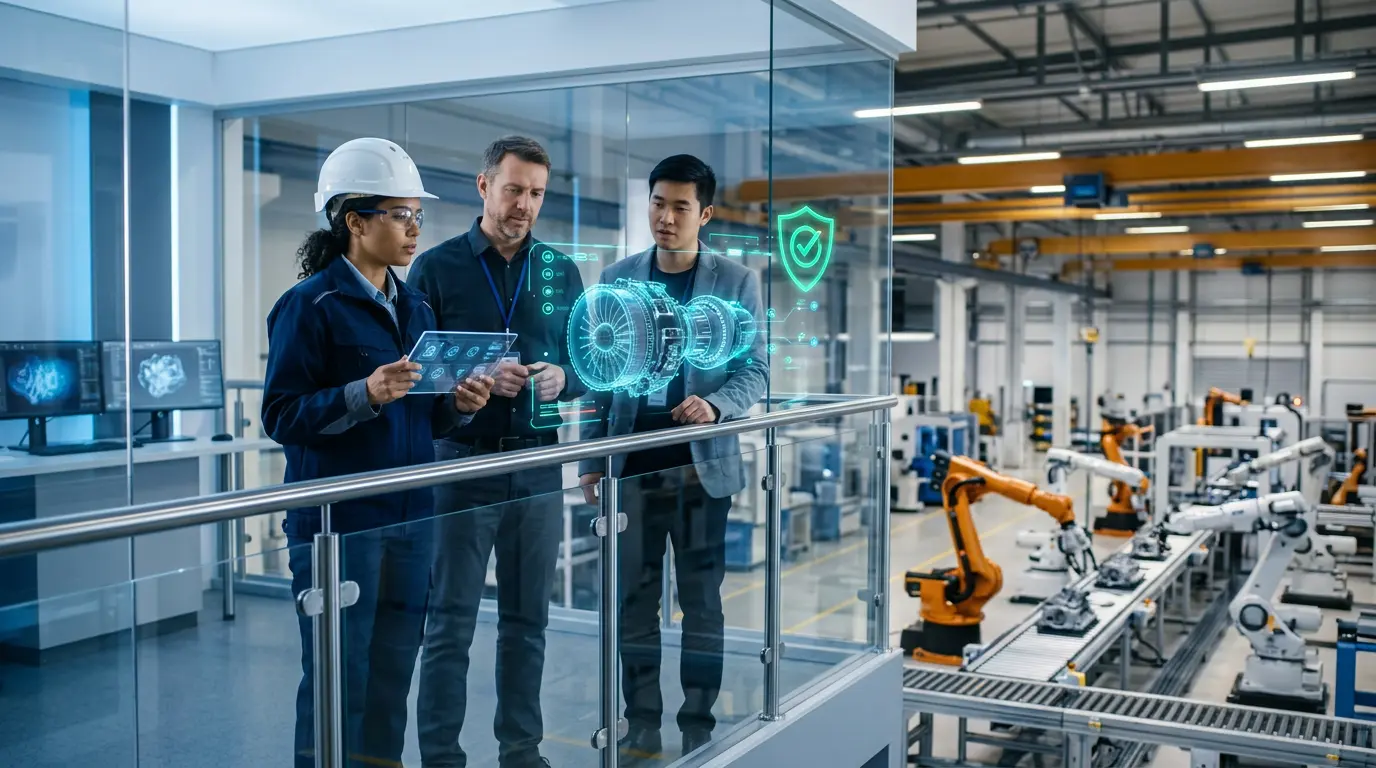
Manufacturing is becoming “smart” with AI—reducing downtime, improving quality, and optimizing production using real-time data.
- Predictive maintenance (prevent breakdowns)
- Computer-vision quality control
- Production optimization and safety improvements
Read: AI in Manufacturing: Smart Factories, Predictive Maintenance & Quality Control
Supply Chains & Logistics
AI helps supply chains forecast demand, align inventory, and optimize delivery routes—especially useful when disruptions happen and decisions need to be fast.
- Demand forecasting and replenishment planning
- Warehouse optimization
- Route planning and last‑mile delivery efficiency
Read: AI in Supply Chains and Logistics: Forecasting, Inventory & Delivery
Construction
AI helps construction teams plan and deliver projects with fewer delays—supporting scheduling, progress tracking, safety, and quality checks.
- Planning and scheduling support
- Progress tracking using site imagery
- Safety monitoring and risk reduction
Read: AI in Construction: Planning, Safety & Project Delivery
Telecommunications
Telecom networks generate massive operational data. AI helps optimize performance, detect anomalies, improve support, and predict failures before outages occur.
- Network anomaly detection and optimization
- Customer support efficiency and routing
- Predictive maintenance for network equipment
Read: AI in Telecommunications: Network Performance, Support & Predictive Maintenance
Transportation & Smart Cities
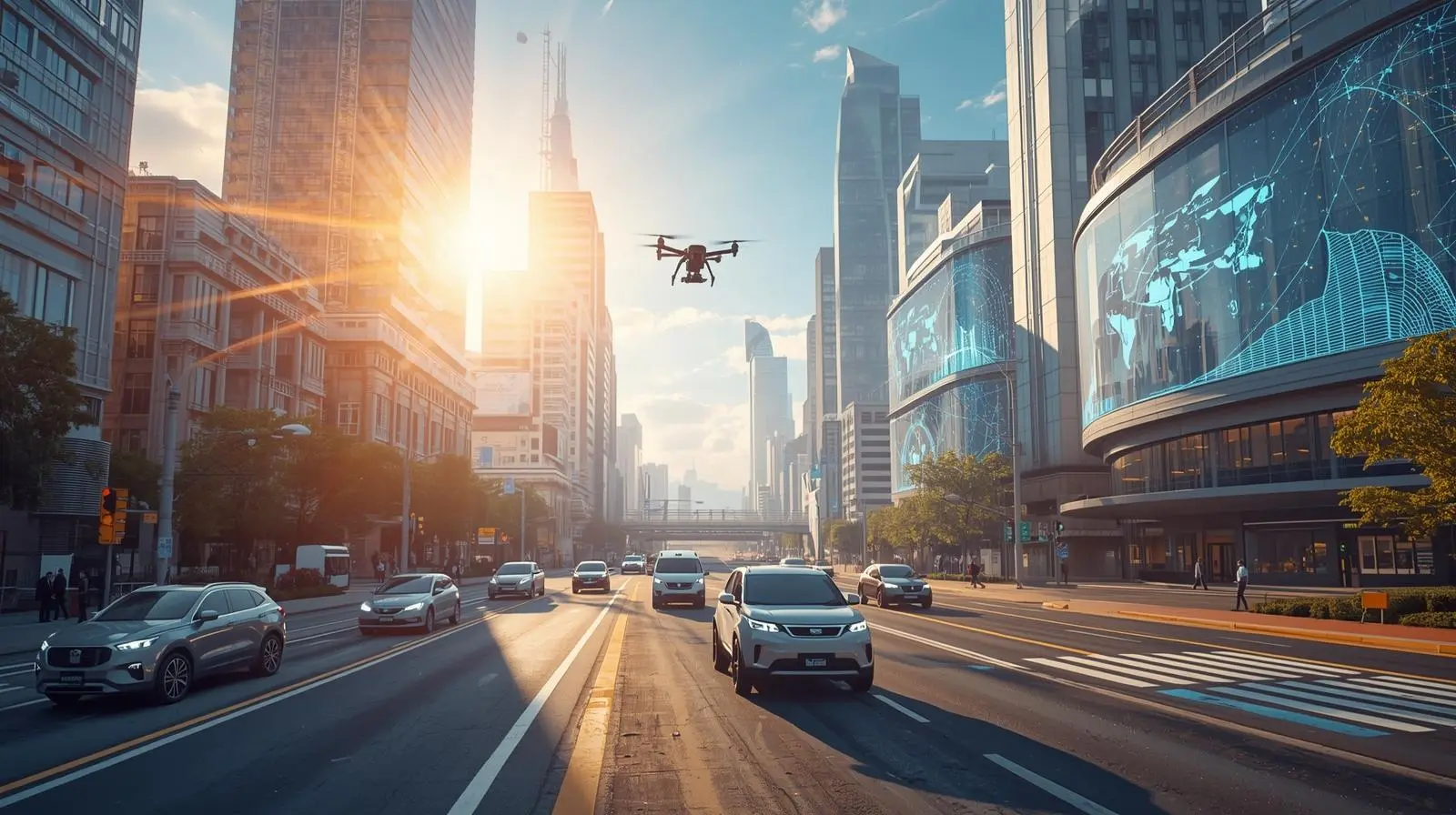
AI improves traffic flow, routing, and safety—helping cities and mobility providers reduce congestion and operate more efficiently, while being mindful of privacy and surveillance risks.
- Traffic management and congestion reduction
- Route optimization and fleet planning
- Predictive maintenance for infrastructure and fleets
Read: AI in Transportation and Smart Cities: Future of Mobility
Energy & Utilities
AI supports smart grids by improving forecasting, balancing supply/demand, integrating renewables, and predicting failures— with cybersecurity as a key consideration.
- Demand forecasting and renewable forecasting
- Grid optimization and outage detection
- Predictive maintenance for critical assets
Read: AI in Energy and Utilities: Smart Grids, Renewables & Predictive Maintenance
Cybersecurity
AI helps defenders detect threats faster—but attackers can also use AI. Understanding how ML supports security (and its limitations) is essential for safe adoption.
- Anomaly detection and behavioral monitoring
- Phishing/malware detection improvements
- Faster triage and incident response support
Read: AI and Cybersecurity: How ML Enhances Online Security
Featured Industry Guides












































Why AI in Industries Matters
AI isn’t just a buzzword—it’s becoming part of how organizations operate. When used responsibly, AI can reduce errors, improve decision-making, and free people from repetitive work. The key is adopting it with realistic expectations, privacy awareness, and strong oversight—especially in high-impact sectors.
❓ FAQ – AI in Industries
1. Is AI replacing entire industries?
Not usually. In most cases, AI changes specific tasks (forecasting, classification, customer support workflows) rather than replacing whole roles or industries overnight.
2. What are the biggest risks when industries adopt AI?
The common risks are privacy/data exposure, biased outcomes, unsafe or incorrect outputs, over-automation, and weak accountability (no clear “owner” of decisions and failures).
3. How can a team start using AI responsibly?
Start with low-risk use cases, keep humans in the loop for high-impact decisions, avoid sharing sensitive data, document what AI is used for, and monitor performance over time.
4. Which industries benefit most from AI?
Many industries benefit, but high-data environments often see faster gains—finance, healthcare, retail/e-commerce, manufacturing, logistics, and telecom. The best results come from pairing AI with good data and clear goals.
5. Where can I learn the basics before exploring industries?
Start with our Beginner’s Guides, then come back to this page to explore industry-specific use cases.